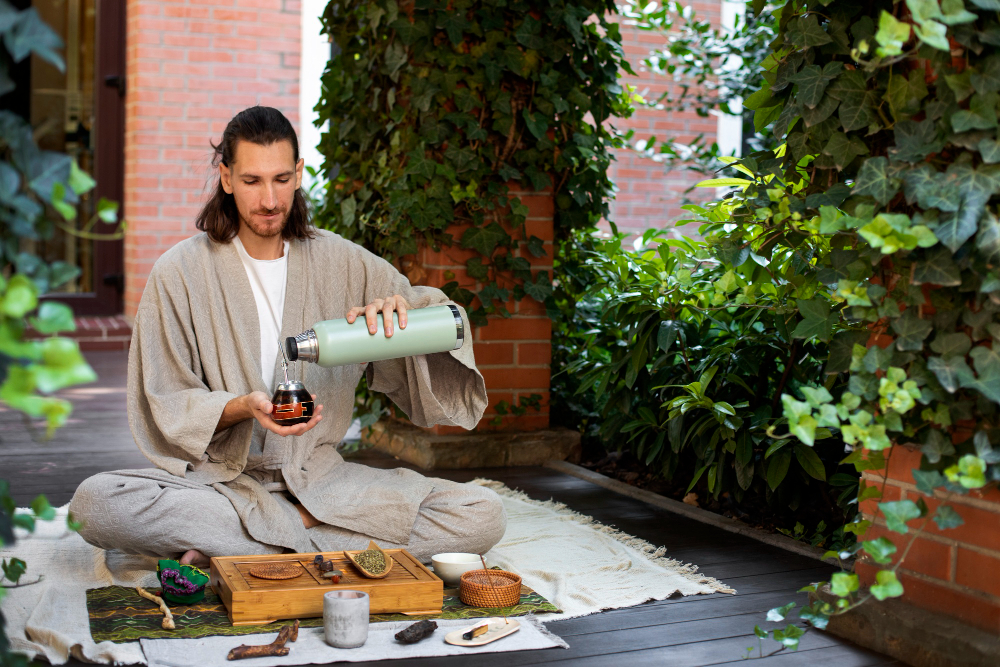
Introduction to Naturopathy
Naturopathy is a form of natural healing that focuses on the body’s ability to heal itself. It uses natural therapies and lifestyle changes to support wellness. The roots of naturopathy go back to ancient healing traditions. However, modern naturopathy began in Europe in the 19th century. Today, many people seek naturopathy for gentle and holistic care. In many countries, naturopathy is growing as a trusted approach to health.
Core Principles of Naturopathy
Naturopathy is based on several core ideas. These guide both treatment and prevention. For example, naturopaths believe in treating the whole person, not just symptoms. They also focus on finding and removing the cause of illness. In addition, they aim to do no harm and use the least invasive methods. Here are the main principles:
Scientific Basis and Evidence for Naturopathy
Many people wonder about the science of naturopathy. Some therapies, like nutrition and exercise, have strong scientific support. For instance, the World Health Organization (WHO) and CDC recommend healthy eating and physical activity for disease prevention. However, not all naturopathic therapies have equal evidence. While some herbal remedies show promise, others need more research. Still, many studies suggest that naturopathy can help with stress, mild pain, and chronic conditions. Always look for evidence-based natural medicine when choosing treatments.
Common Naturopathic Therapies and Approaches
Naturopathy uses many natural therapies to support healing. Each person’s plan may be different. Some common naturopathic therapies include:
Because naturopathy is holistic, it often combines several approaches. This helps address both mind and body for better wellness.
Benefits and Potential Risks
Naturopathy offers many benefits. For example, it encourages healthy habits and can reduce stress. Many people feel more in control of their health. In addition, naturopathy may help with mild chronic problems, such as fatigue or digestive issues. However, there are also risks. Some natural remedies can interact with medicines. Not all therapies are safe for everyone. Therefore, it is important to talk to a qualified naturopath or doctor before starting any new treatment.
How to Choose a Qualified Naturopath
Choosing the right naturopath is important for safe care. Look for these signs of a qualified naturopath:
In many places, you can find naturopathy clinics with trained staff. Always check their credentials before starting care.
Lifestyle Guidance for Natural Healing
Healthy living is a key part of naturopathy. Even small changes can make a big difference. For example, eating more fruits and vegetables supports your body’s healing. Regular exercise, like walking or yoga, helps keep you strong. In addition, getting enough sleep and managing stress are important for wellness. Naturopathy encourages you to listen to your body and make choices that support health.
Prevention and Wellness Tips
Prevention is better than cure. Naturopathy teaches simple steps to stay well. Here are some easy tips:
Because small habits add up, making healthy choices each day can support long-term wellness through naturopathy.
For personalized advice on natural healing, consult a qualified naturopath or healthcare provider.